- Sport & Abenteuer Reisen
- Multi Aktiv Reisen
Overview
Fishing trips in the Indian Himalayas
Trout & Mahseer in Uttarakhand and Himachal Pradesh
The Indian Himalayas are one of the most pristine and exciting regions for fly fishing and angling in the great outdoors. Crystal-clear mountain rivers, sparsely fished stretches and an impressive landscape make Uttarakhand and Himachal Pradesh a real insider tip for anglers.
Chalo Reisen offers tailor-made fishing trips in the Indian Himalayas from March to October – from relaxed day trips to complete tours lasting several days or a week.
Program
Fishing regions & rivers
Uttarakhand
Uttarakhand is particularly known for its clear, fast-flowing rivers and a long tradition of fly fishing.
Popular rivers and tributaries:
- Ramganga River (especially Ramganga East & West)
- Kosi River
- Tons River
- Asan River
- Saryu River
- Nayar River
- Khoh River
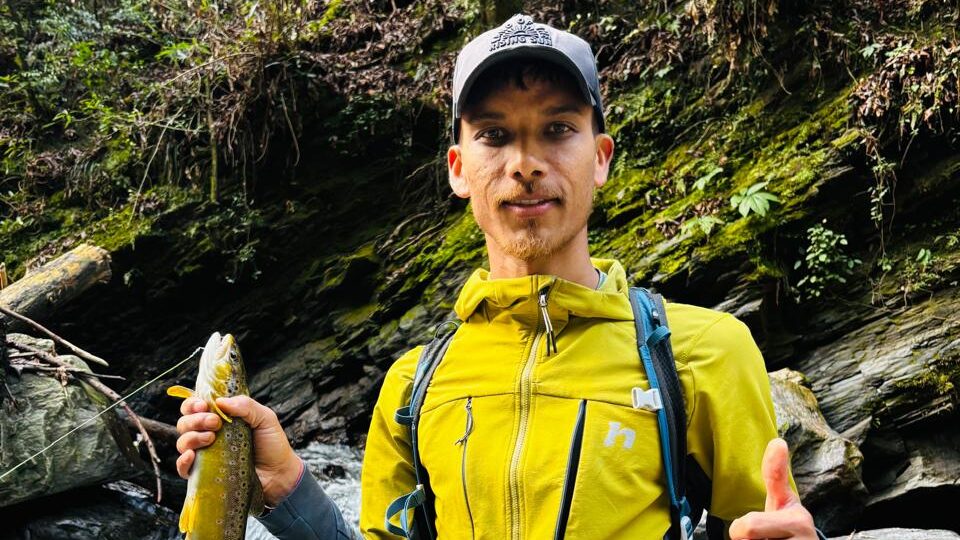
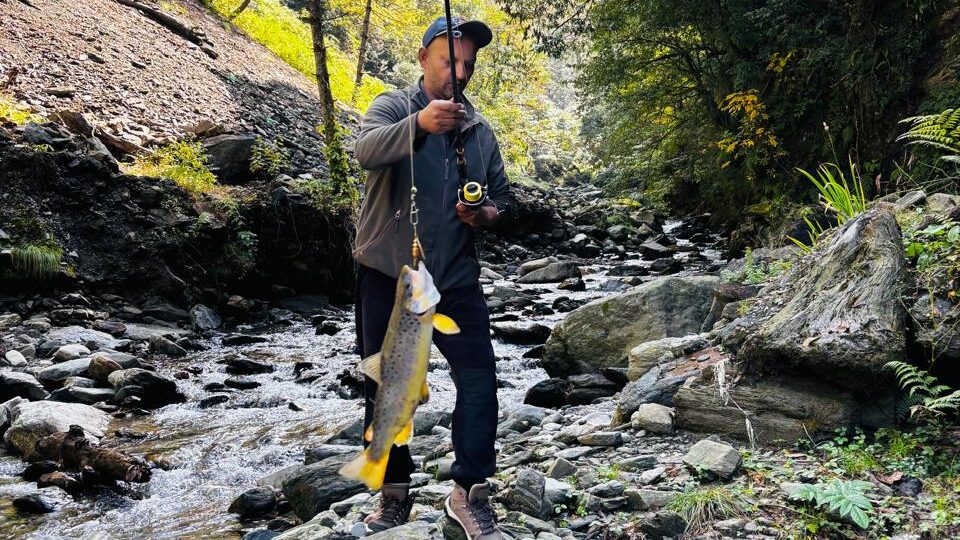
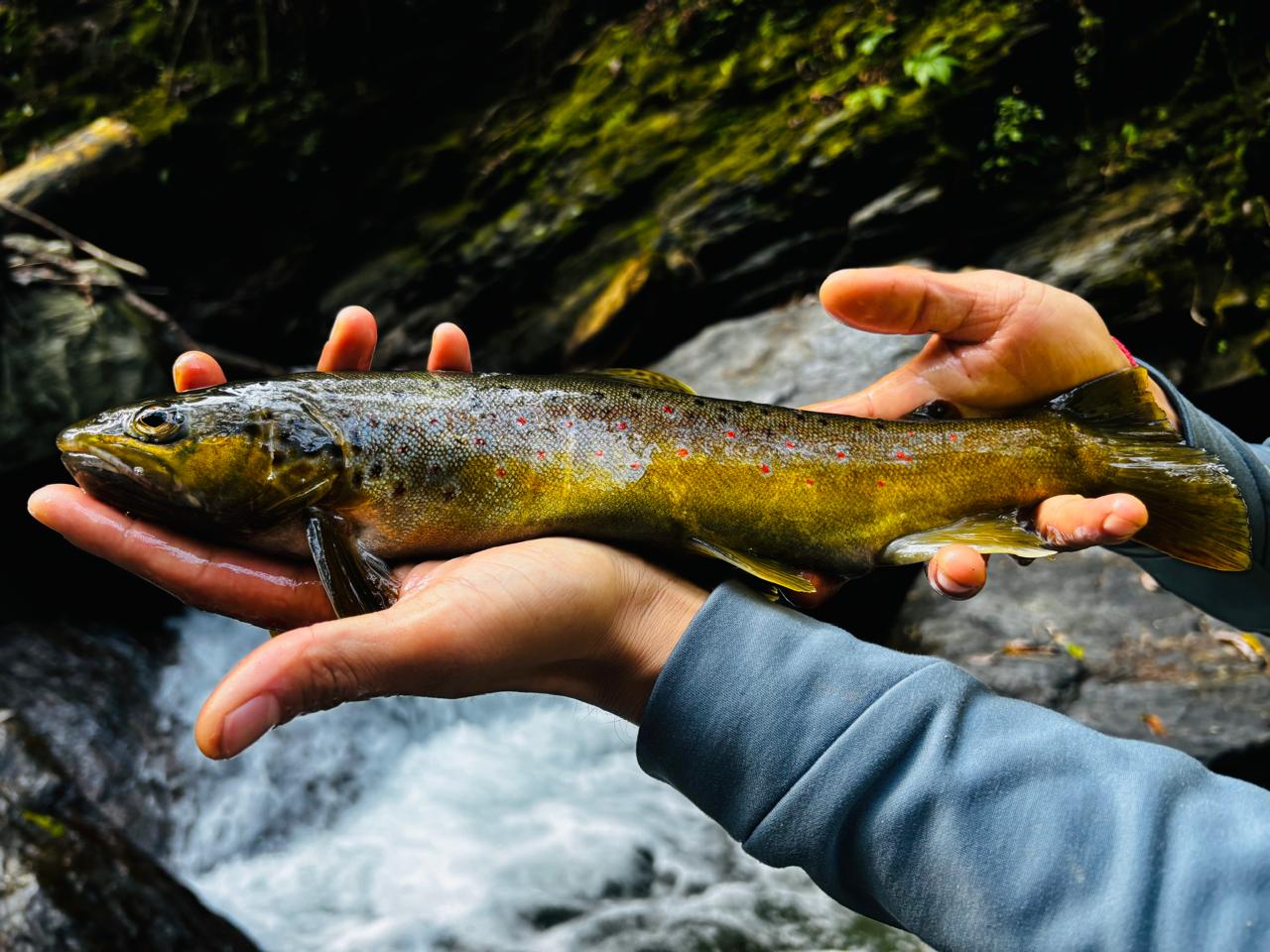
Fishing here is mainly for Himalayan trout (brown and rainbow trout) and golden mahseer.
Himachal Pradesh
Himachal Pradesh offers spectacular high mountain landscapes, deep gorges and cold rivers – ideal for demanding anglers.
Popular rivers and tributaries:
- Beas River
- Tirthan River
- Uhl River
- Pabbar River
- Sutlej River
- Basantar River
- Chandrabhaga (Chenab)
- Ravi River
Here too, the focus is on trout and mahseer, depending on the region and season.
Fish species
- Himalayan Trout (Brown Trout & Rainbow Trout)
- Golden Mahseer – one of the most sought-after freshwater fish in Asia
The fishing spots are carefully selected – depending on the season, water level and desired level of difficulty.
Our fishing trips – flexible & individual
We organize tailor-made fishing trips:
- Day trips from selected locations
- Multi-day/week fishing trips to different fishing spots
- Combination fishing trips with hiking, culture, bicycle or motorcycle tours
- Complete packages from/to Delhi
Whether you are a beginner or an experienced fly fisherman – we adapt the program to your experience, condition and wishes.
Included services
- Transfers from/to Delhi
- Inland trips to the fishing grounds
- Accommodation (lodges, guesthouses, camps – depending on the region)
- Meals
- Local fishing guides
- Fishing licenses & permits
- Organization of the fishing spots
- Logistics & route planning
- On request: fishing & fly fishing equipment
- Support with special requests or combinations (trekking, culture, bike, nature)
unmentioned mealsEntrance fees for other monuments
Highlights
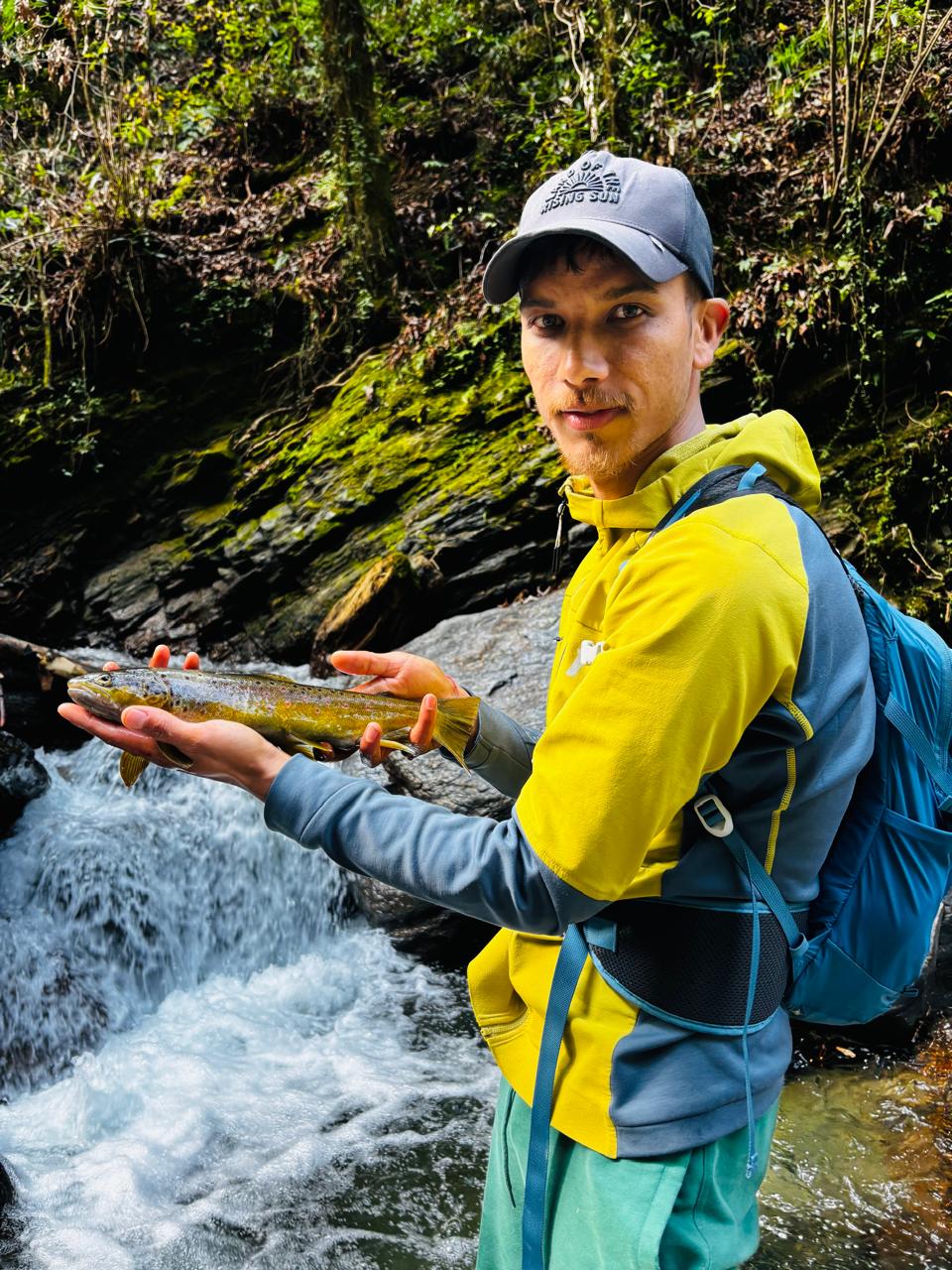
Trout fishing 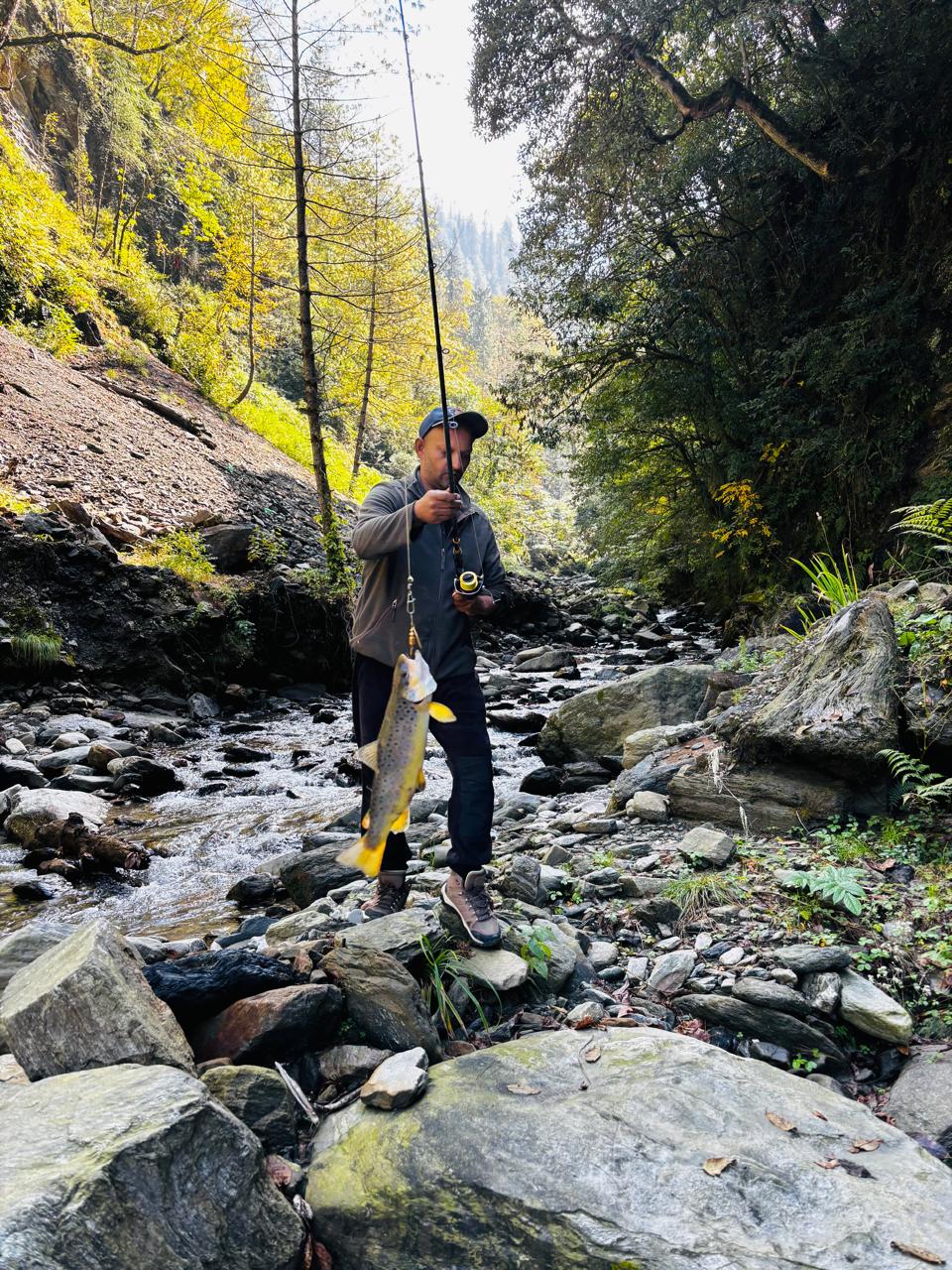
Thirtan Valley Trout
Prices and dates
Best time to travel:
March to October
- Spring & early summer: ideal conditions for trout
- Monsoon season (depending on region): selective territories
- Autumn: clear rivers, very good visibility, strong fish
We provide individual advice on the best time to travel depending on the region and fish species.
Travel info
Guide David

David is a passionate and experienced fishing guide with several years of experience in fly fishing and fishing in a wide variety of areas. His particular focus is on the Indian Himalayas, where he has been fishing successfully for trout and mahseer for years and knows the rivers in Uttarakhand and Himachal Pradesh inside out.
In addition to his work in India, David also has extensive fishing experience from Europe. Among other things, he fished for sea trout there. He has taken part in various fishing competitions, in which he has been successful several times.
His calm manner, his deep understanding of waters, fish behavior and sustainable fishing as well as his enthusiasm for nature make him a competent and authentic guide – both for beginners and experienced anglers.
Requirements
Our fishing trips in the Indian Himalayas are aimed at both beginners and experienced anglers. A basic level of fitness for stays in mountainous terrain and enjoyment of nature and simple outdoor conditions are important. Previous fly fishing experience is an advantage, but not a prerequisite – depending on the tour, instructions and guidance are offered by the guide. The trips take place in remote regions, so flexibility, openness and adaptability to the weather, infrastructure and local conditions are required.